
HOME
SHOP
SHOP BY AILMENT
HERBAL TEAS
WELLNESS PACKS
GIFTING
More
Shilajit vs. Ashwagandha: Which is Better?
Ayurveda, which is the ancient Indian system of medicine, boasts in its remedies a treasure trove of potent herbs. Two such gems used in herbal remedies and natural supplements are Shilajit and Ashwagandha which have gained immense popularity in recent times for their potential health benefits. Both of these ingredients have their roots in ancient Ayurvedic medicine and are classified as adaptogens. Adaptogens are generally herbs, roots, or other plant substances that are believed to help the body adapt to stress and promote overall well-being. But with both the ingredients sharing overlapping benefits, a common question arises: Shilajit vs Ashwagandha - which one comes out on top? Let's dive into the details to find out.
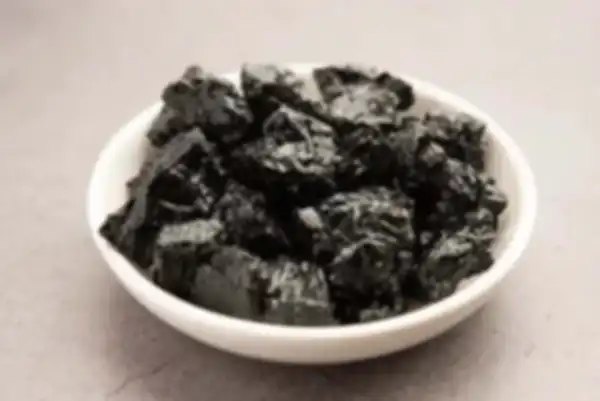

SHILAJIT: THE MINERAL PITCH
Shilajit is a sticky, tar-like substance and isn't quite a plant. It is a blackish-brown resinous substance that oozes out from the rocks in the Himalayas during the hot summer months. Formed over millennia from the gradual decomposition of plants and minerals within the mighty Himalayas, it's a complex entity rich in fulvic acid, humic acid, and over 80 minerals. This unique composition of Shilajit makes it a potent source of nutrients and antioxidants.
Understanding the Primary Health Benefits of Shilajit
Energy Booster: Shilajit is renowned as a natural energizer. It's believed to improve the absorption of nutrients at the cellular level which can lead to increased energy production. Shilajit can also be a valuable tool for those seeking to combat sluggishness and elevate their vitality as it enhances physical performance and reduces fatigue.
Stress Management Powerhouse: While not as extensively studied for stress reduction as Ashwagandha, Shilajit's adaptogenic properties may help regulate stress hormones which promotes a sense of calm and well-being. Early research suggests it may play a role in mitigating the negative effects of stress on the body.
Cognitive Enhancement Potential: Some studies indicate Shilajit's potential to improve cognitive function. It's believed to work by increasing blood flow to the brain, which may enhance focus, memory, and overall cognitive performance. Additionally, it might possess neuroprotective properties which can potentially safeguard brain cells from damage. Shilajit may help protect against cellular damage and premature aging due to its antioxidant content.
Potential Benefits for Men's Health: Shilajit has been linked to increased testosterone levels which can benefit both men and women in various ways. Some studies suggest Shilajit may improve testosterone levels and sperm quality which contributes to overall reproductive health in men. While further research is needed, this potential benefit holds promise for those seeking natural solutions in this area.
ASHWAGANDHA: THE “INDIAN GINSENG”
Ashwagandha is also known as Withania somnifera which is a small shrub native to India and North Africa. Ashwagandha is a flowering shrub and is a well-researched adaptogen with a long history of medicinal use in Ayurveda. Its roots and leaves are the primary medicinal parts which are revered for their diverse health benefits. Its roots and leaves have been used for centuries in Ayurvedic medicine to promote vitality, reduce stress, and enhance overall well-being.
Understanding the Primary Health Benefits of Ashwagandha
Natural Stress Buster: Ashwagandha is widely celebrated for its stress-relieving properties. Studies suggest it helps regulate cortisol, the primary stress hormone thereby leading to improved mood, reduced anxiety, and better sleep. Ashwagandha can contribute to a more balanced and resilient state of being by mitigating the negative effects of stress on the body and mind.
Immunity Ally: Ashwagandha is believed to possess immunomodulatory properties which means it may help modulate the immune system. This potential benefit translates to potentially boosting the body's defense mechanisms in fighting off infections and diseases. Ashwagandha can contribute to overall well-being by supporting a healthy immune system.
Boosts Libido and Fertility: Both in men and women, Ashwagandha may improve sexual health by enhancing libido, and sperm quality, and regulating menstrual cycles. Studies suggest it can address hormonal imbalances that might be affecting sexual health and fertility.
Supports Cognitive Function: Similar to Shilajit, Ashwagandha is being explored for its potential benefits in improving memory, focus, and cognitive function in aging individuals. Early research suggests it may positively impact cognitive performance, making it a promising option for those seeking natural ways to support brain health.


THE GREAT DEBATE OF CHOOSING BETWEEN SHILAJIT AND ASHWAGANDHA
So, which herb takes the crown in the battle of Shilajit vs Ashwagandha? The truth is, there's no single winner. Both Shilajit and Ashwagandha offer a distinct spectrum of benefits which makes them valuable tools in your wellness health kit.
Here's a breakdown to help you decide which herb might be a better fit for your specific needs:
You May Choose Shilajit if:
You prioritize increased energy and vitality and are looking for a natural remedy to combat fatigue.
You're interested in exploring potential cognitive benefits and supporting brain health.
You want natural support for men's health and are seeking solutions to improve reproductive health.
You May Choose Ashwagandha if:
You struggle with chronic stress, anxiety, and sleep disturbances.
You desire to boost your immune system and support your body's natural defenses.
You aim to enhance sexual health and fertility in a
THE POWER OF COMBINING SHILAJIT AND ASHWAGANDHA
Here's the exciting part that can subside your curiosity about knowing which herb is better. Shilajit and Ashwagandha can be a powerful team together! Yes, while both Shilajit and Ashwagandha offer impressive health benefits on their own, their combined effects can be even more potent. Shilajit and Ashwagandha work synergistically to enhance each other's benefits and provide comprehensive support for overall health and well-being when both are taken together.
Benefits of combining Shilajit and Ashwagandha
Optimized Energy and Stamina: Combining Shilajit's energy-boosting properties with Ashwagandha's adaptogenic effects can help improve stamina, reduce fatigue, and enhance physical performance. This synergistic combination can support optimal muscle function, increase endurance, and promote overall vitality. The products made with the combination of Ashwagandha and Shilajit


PCOS & PCOD: Ayurvedic Insights into Causes, Symptoms & Natural Remedies
PCOD (Polycystic Ovarian Disease) and PCOS (Polycystic Ovary Syndrome) are common hormonal disorders that affect women of reproductive age. These conditions can cause irregular menstrual cycles, excessive hair growth, acne, weight gain, and fertility issues. In PCOD, the ovaries produce multiple immature eggs that become cysts, often leading to mild hormonal imbalance. PCOS is a broader metabolic syndrome marked by higher male-hormone levels (androgens) and irregular ovulation. Both conditions are on the rise, with studies noting PCOD affecting up to 9-22% of Indian women and PCOS occurring in about 10-15% of women worldwide. We will explore their causes, symptoms, key differences, and how Ayurvedic and natural approaches can help manage them.
Causes and Risk Factors
Multiple factors contribute to PCOD or PCOS. Genetics plays a major role, as having a family history raises your risk. Insulin resistance is common since around 70% of women with PCOD have trouble using insulin properly, which drives up androgens and disrupts ovulation. Obesity and a sedentary lifestyle can worsen this resistance. Elevated male hormones (androgens) are also central, as high androgens prevent normal egg release and lead to cyst formation. Chronic inflammation and poor dietary habits (high sugar/refined carbs) add to the problem. In Ayurveda, such imbalances are often linked to excess Kapha and Pitta doshas, which require cooling, detoxifying treatments.
Genetics: A family history of PCOD/PCOS strongly increases risk.
Insulin Resistance: High insulin levels trigger increased androgen production, which can affect the ovaries.
Hormonal Imbalance: Elevated androgen levels disrupt ovulation.
Lifestyle: High-calorie diet, obesity, and stress promote the symptoms.

Symptoms and Signs
Women with PCOD/PCOS often share symptoms. The most common signs include:
Irregular Periods: Missed or heavy menstrual bleeding due to irregular ovulation.
Hirsutism: Excess facial/body hair growth (like moustache or chest hair) and acne from higher androgen levels.
Skin Changes: Acne, oily skin, and dark patches (acanthosis nigricans) on the neck or underarms.
Hair Thinning: Scalp hair loss or male-pattern baldness can occur with high levels of male hormones.
Weight Gain: Difficulty losing weight or abdominal obesity; over 40% of women with PCOS struggle with obesity.
Fertility Issues: Irregular cycles and anovulation (no egg release) make getting pregnant harder.
These symptoms often appear around puberty or when weight increases. Not every woman has all symptoms, but any combination of these, especially irregular periods and excess hair, should prompt medical advice.
PCOD or PCOS: Key Differences
Although PCOD and PCOS share common features, experts note differences in severity and outcome. PCOD is generally considered a milder ovarian disorder. It involves fewer/smaller cysts and can often improve with diet and exercise. In contrast, PCOS is a more severe metabolic syndrome with many cysts on both ovaries and broader hormonal issues. Experts explain that PCOD is relatively common (around 10% of women) and usually causes milder fertility problems, while PCOS is less common globally (0.2-2.5% by older estimates, though newer data suggest ~10-15%) and is strongly linked to diabetes, high blood pressure, heart disease, and infertility. In short:
Severity: PCOD is milder and can often be managed with lifestyle changes; PCOS is a serious metabolic disorder requiring medical oversight.
Cysts: PCOD causes fewer/smaller ovarian cysts, whereas PCOS causes multiple large follicles on both ovaries.
Fertility Impact: PCOD-related infertility can usually be treated with medications or lifestyle changes; PCOS often causes more severe infertility and an increased risk of miscarriage.
Health Risks: PCOD seldom leads to long-term diseases. PCOS, however, increases the risk of diabetes, high cholesterol, heart disease, and uterine cancer.
Despite these differences, both conditions involve ovarian cysts and share many symptoms. Early diagnosis is important in both cases to manage symptoms and prevent complications.

Ayurvedic and Natural Remedies
Ayurveda offers a holistic approach to PCOD/PCOS, focusing on balancing the body-mind with diet, herbs, and lifestyle. Key strategies include:
Herbal Supplements: Ayurveda uses herbs like Ashwagandha, Shatavari, Guduchi (Giloy), Turmeric, and Cinnamon. For example, ashwagandha helps reduce stress and cortisol, improving hormone balance. Cinnamon bark has been shown to improve insulin sensitivity and regulate menstrual cycles in PCOS. Turmeric (curcumin) acts as an anti-inflammatory and may lower insulin resistance. (These herbs can be taken as powders, teas, or in capsules under practitioner guidance.)
Dietary Changes: A nutrient-rich Ayurvedic diet is key. Emphasise warm, cooked whole grains (like barley, millets), fresh vegetables, legumes, and lean proteins. Limit refined sugars, processed foods, fried foods, and excess saturated fat. Healthline notes that Ayurveda encourages more fruits, vegetables, and whole grains while reducing salt, sugar, and unhealthy fats. For example, include spinach, leafy greens, fibrous vegetables, nuts, and low-fat dairy. Avoid white bread, sweets, and sodas to keep insulin stable.
Stress Reduction and Yoga: Chronic stress can worsen hormonal imbalance. Ayurvedic treatment plans include yoga, meditation, and breathing exercises. Studies show that regular yoga can reduce anxiety and improve PCOS symptoms. Poses like Supta Baddha Konasana (Reclining Butterfly), Bharadvaja’s Twist, and simple breathing (pranayama) may help balance hormones and reduce stress. Meditation and sleep hygiene are also emphasised to calm the nervous system.
Detox and Panchakarma: Some Ayurvedic practitioners recommend gentle cleansing (panchakarma) or herbal detoxes to remove toxins (ama) that disrupt metabolism, though these should be done under guidance.
In short, Ayurvedic care aims to restore balance by reducing excess kapha (heaviness) and pitta (heat) through cooling, cleansing foods, and calming herbs. Reviews have found that integrated Ayurvedic programs can improve PCOS symptoms, support weight loss, and normalise menstrual cycles over time.
Treatment and Management
Modern medicine also provides effective management. The first line of treatment for PCOD/PCOS is lifestyle optimisation. Losing even 5-10% of body weight often improves hormonal balance and restores ovulation. Weight control is crucial; a healthy BMI of around 22 and regular exercise can significantly regulate cycles. High-intensity or interval cardio workouts, strength training, and regular exercise lower insulin resistance and aid weight loss.
A balanced diet is again important. Focus on low-carb, high-fibre foods as they help control blood sugar. Numerous sources recommend the same diet as Ayurveda: whole grains, vegetables, legumes, lean protein, and reducing refined carbs and sugars.
Importantly, stress management and regular monitoring (of blood sugar, cholesterol, etc.) are part of care. When lifestyle changes alone are not enough, doctors may prescribe medications. Nutritional supplements like inositol, vitamin D, magnesium or omega-3s have shown promise, but it is important to consult a doctor first.